

Introduction
The 2024 election is over, but the real battle for our country’s soul has just begun. The results have left many of us shaken and terrified. This isn’t politics as usual—it’s about the survival of our democracy.
This post dissects a video revealing how figures like Joe Rogan amplify authoritarian rhetoric. His words, shared with millions, demonstrate the modern impact of viral propaganda on democratic values.
At the heart of this conversation is a troubling trend: the normalization of disinformation. Whether through Rogan’s platform, Project 2025’s dangerous agenda, or Trump’s claims of a mandate, democracy faces an existential threat.
I started Civicus and Reverb to share truths, inspire action, and wake people up to what’s at stake. It’s not enough to sit back and hope things get better—we all need to stay informed, engaged, and ready to fight for what’s right. This post is my plea for awareness and urgency because the stakes couldn’t be higher.
Section 1: Russian Influence and the Path to ‘Little Russia’
We cannot afford to ignore the troubling alignment between political narratives in the U.S. and Russian propaganda. Joe Rogan’s comments about Ukraine—calling it a “proxy war” and parroting peace proposals that mirror Putin’s demands—should alarm us all. These statements reflect a normalization of authoritarian rhetoric, which seeks to destabilize democracies globally.
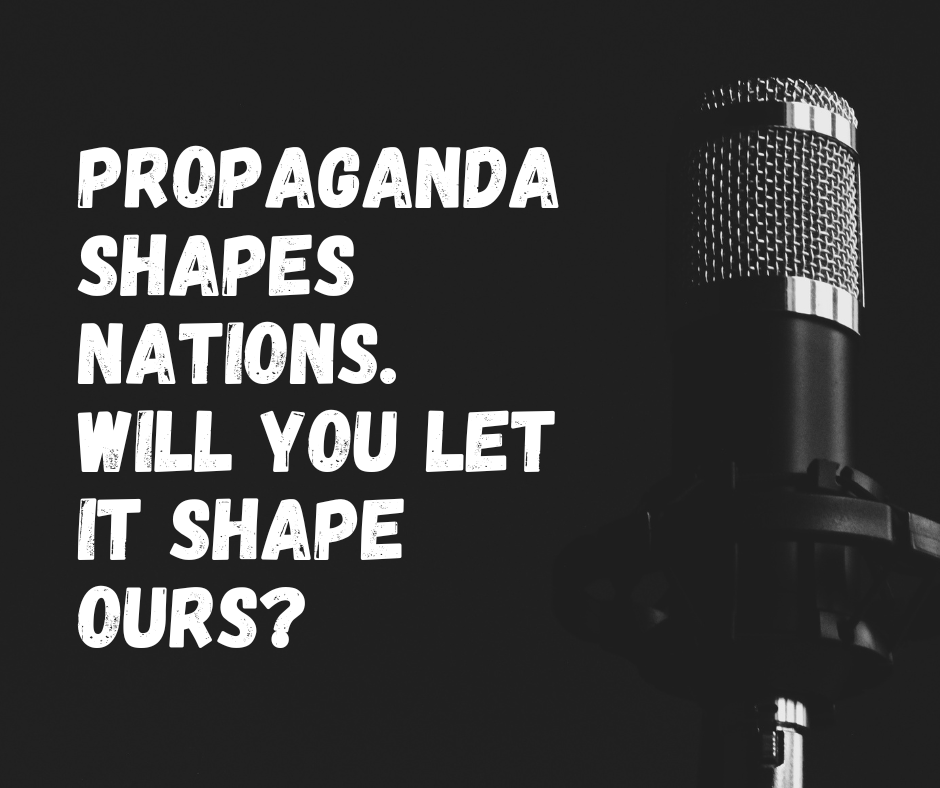
Unchecked propaganda doesn’t just distort narratives; it reshapes public perception and enables policies that erode freedoms. This isn’t just about one podcaster or one election—it’s about the systemic erosion of democratic values.
Consider Project 2025, a far-right policy blueprint outlining plans to consolidate executive power and reshape the government to fit authoritarian goals. Trump’s dismissals of it as irrelevant are laughable—it aligns perfectly with his stated objectives to weaken democratic institutions and centralize control.
If we don’t recognize these patterns now, we risk becoming “Little Russia,” where dissent is crushed, freedoms are stripped, and misinformation becomes the norm. The time to act is now.
Section 1.5: Breaking Down the Video
The video dives into how Joe Rogan’s platform has amplified rhetoric that aligns disturbingly with Russian propaganda. Rogan frames the Ukraine war as a “proxy war,” echoing Kremlin narratives. He also repeats calls for a “peace proposal” that includes demands like Ukraine’s demilitarization and the lifting of Western sanctions on Russia. These aren’t just controversial ideas—they’re the very language of authoritarian influence.
Key Quote:
Rogan’s comment that “we’ve been funding this proxy war” mirrors Russian propaganda almost verbatim. His suggestion that the U.S. should stop supporting Ukraine aligns directly with Putin’s strategy to weaken global democratic alliances. This rhetoric, amplified by Rogan’s platform, subtly shifts public opinion in ways that benefit authoritarian agendas.
Takeaway:
The video highlights how media figures like Rogan wield immense influence, with episodes such as his interview with Donald Trump reaching over 90 million downloads. This isn’t just about entertaining a large audience; it’s about shaping political discourse and normalizing dangerous narratives.
Rogan’s recent pivot from endorsing RFK Jr. to supporting Trump further underscores the calculated nature of his platform. RFK Jr.’s own campaign trajectory—allegedly seeking alliances for power, whether with Harris or Trump—exposes a willingness to prioritize personal ambition over principle. Rogan’s backing of Trump reflects a similar opportunism, leveraging his influence to legitimize authoritarian rhetoric under the guise of independent thought.
This is propaganda in its modern, viral form: calculated, widespread, and designed to manipulate, not inform.
Section 2: No Mandate, No Excuses
Let’s set the record straight: Trump’s claims of a mandate are not supported by the facts. His popular vote win—just 49.86% of the total—was one of the narrowest margins in modern history. This wasn’t a landslide, and it certainly doesn’t represent a sweeping endorsement of Trumpism.
As Truthout highlights in their analysis of Trump’s victory (read the full article here), Trump’s Electoral College margin was the 11th narrowest in U.S. history—hardly a sweeping mandate for radical change. Presidents-elect often claim mandates to justify controversial policies, but the numbers don’t lie. Claims of a mandate are nothing more than self-serving rhetoric designed to mask the deep divisions in our nation.
This wasn’t a game of team sports; it was a fight for democracy itself. If you voted for Trump, you enabled an agenda rooted in racism, bigotry, and authoritarianism. If you didn’t vote, I hope your reason was worth sitting out such a pivotal moment in history. The stakes were clear, and every vote mattered.
Section 3: A Broken Political Culture
One video I watched recently featured a man praising a candidate’s “better marketing strategy.” Have we really reduced the presidency to a branding contest? Leadership is about policies, values, and the moral compass to guide a nation—not flashy campaigns or soundbites.
Donald Trump has shown time and again that he views his supporters as pawns. He’s said openly, “I don’t care about you; I just want your vote.” Yet millions overlooked his disdain, his lies, and his disregard for democratic norms. This is a symptom of a deeper cultural problem where politics is treated as entertainment rather than the serious, impactful process it is.
We must demand better—from our leaders and ourselves. It’s time to prioritize policies and principles over personalities.
Section 4: The Role of Media and Staying Woke
Legacy media outlets like Fox News have lost credibility for a reason: they’ve become echo chambers for propaganda and fear-mongering. But the problem isn’t just them—it’s the broader landscape of misinformation and uncritical consumption of narratives.
I don’t rely on legacy media anymore, and I encourage you to seek out independent, credible sources to avoid the echo chamber effect. While some have co-opted “woke” as a negative buzzword, its true meaning is rooted in awareness, justice, and critical thinking—values that are essential to a functioning democracy.
Staying woke isn’t about trends or buzzwords; it’s about being critically aware, challenging injustice, and refusing to accept propaganda at face value. It’s a mindset essential to preserving democracy.
Section 5: The Urgent Call to Action
America is on the brink of something dangerous. The signs are all around us: propaganda, lies, the erosion of trust in institutions, and the creeping normalization of authoritarian tactics. This isn’t hyperbole—it’s a reality we’ll all feel, if not today, then soon.
The 2024 election results don’t represent the end; they represent a beginning. We must fight harder than ever to defend democracy. That means staying informed, voting in every election, and holding our leaders accountable.
This fight isn’t just mine—it’s ours. Together, we can make a difference, but only if we act now. Every voice matters. Every action counts. If you’re angry, channel that into activism. If you’re scared, lean on others and stay vigilant. If you’re unsure where to start, educate yourself and get involved.
Conclusion:
To everyone reading this, I say: Wake up. Stay informed. Stay woke. Understand what “woke” really means—it’s about awareness, critical thinking, and the courage to stand against injustice.
This is not a drill. Donald Trump has made his intentions clear, and they are anything but democratic. We need to resist the lies, propaganda, and apathy that got us here. Our democracy depends on us. The time to act is now—before it’s too late.
Video Integration:
This video is essential viewing for anyone seeking to understand how misinformation shapes political discourse. Joe Rogan’s influence, as dissected in this video, shows how media figures can amplify dangerous narratives with far-reaching consequences.
Let’s keep fighting, together.




1 thought on “Joe Rogan, Russian Influence, and America’s Democracy: Why Staying Woke Is More Critical Than Ever”
Pingback: The Illusion of Understanding: When Opinion Replaces Knowledge – CherryCoBiz