
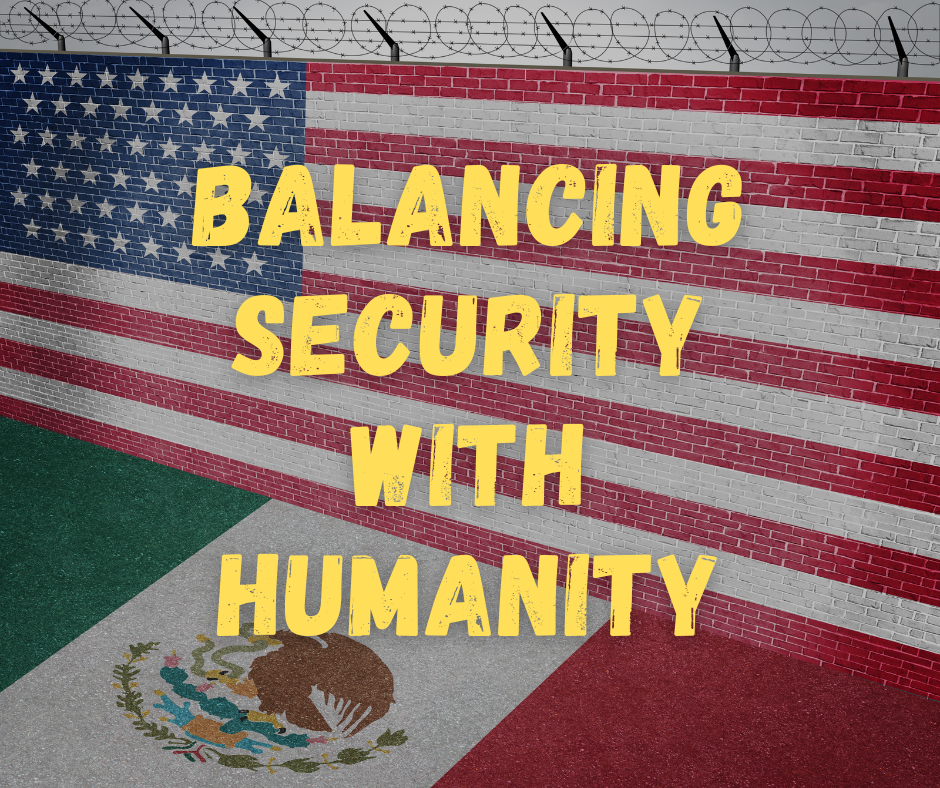

The immigration debate, particularly surrounding the U.S.-Mexico border, remains one of the most divisive issues facing our nation. Like many Americans, I feel frustrated by the ongoing discussion, but I believe it’s important to approach the situation with both compassion and clarity. With migration numbers rising in recent years, the debate over how to address this issue has only grown more complex.
Understanding the Landscape: Legal and Humanitarian Perspectives
Immigration, particularly asylum, has been a core part of the U.S.’s humanitarian values for decades. The asylum process offers protection to those fleeing persecution or violence and is rooted in international law. For those seeking refuge here legally, their journeys often reflect desperation, and the process is rigorous, ensuring that only those with legitimate claims are allowed to stay.
However, recent policies like Senate Bill S.4361 propose stricter thresholds for asylum eligibility and expedited removal processes for noncitizens. While rules and order are essential at our borders, there’s a concern that these new measures could deny protection to those who genuinely need it.
For more information, you can review S.4361 on Congress.gov.
Trump’s Influence on Border Policy
Former President Donald Trump has always championed a hardline stance on immigration. His policies included reintroducing the controversial “Remain in Mexico” policy, which required asylum seekers to wait in dangerous conditions until their hearings. In 2024, Trump’s opposition to a bipartisan border deal—which sought to balance enforcement with humanitarian concerns—contributed to the deal’s collapse. He argued that it didn’t meet conservative priorities, particularly around border wall funding.
While Trump’s tough stance resonated with many of his supporters, his actions often hindered meaningful progress. For instance, his opposition to Temporary Protected Status (TPS) for migrants from countries like Haiti overlooked the legal framework designed to offer temporary safety to individuals fleeing crises.
Vice President Kamala Harris and Root Cause Diplomacy
Vice President Kamala Harris has taken a different approach to border issues, focusing on addressing the root causes of migration from Central American countries. Her strategy emphasizes tackling issues like poverty, corruption, and violence—factors that drive many to leave their homes. By working with leaders in Guatemala, Honduras, and El Salvador, she has secured private sector investments aimed at improving economic stability in these regions. For example, Harris has partnered with companies like Microsoft to create job opportunities, supporting long-term solutions to the migration crisis. For more insight on that, read here.
However, this long-term approach has faced criticism for its slow pace, especially as migration pressures rise. Critics argue that Harris’s efforts haven’t yielded immediate results at the border, with many expecting more enforcement measures. Nonetheless, addressing root causes is essential for long-term stability, even if it doesn’t solve short-term migration spikes.
Striking a Balance: Security and Compassion
Balancing border security with humanitarian concerns is challenging but essential. Our nation must protect its borders while ensuring it upholds its long-standing commitment to offering safe haven to those in genuine need. The challenge of balancing security with compassion lies at the core of the immigration debate. Policies that focus only on enforcement without addressing humanitarian aspects overlook the complexity of why people seek refuge.
Moving Forward: A Call for Thoughtful Dialogue
The border crisis is complex, with no one-size-fits-all solution. Both Senate Bill S.4361 and the broader debate around border security illustrate the challenges of navigating this issue. As an independent voter, I consider all angles. I’ve voted for both Republicans and Democrats, basing my decisions on facts and policies rather than party allegiance.
We need policies that strike a careful balance between enforcing security and upholding the rights of asylum seekers. For more detailed information, you can review S.4361 on Congress.gov. As we move forward, let’s engage in thoughtful, fact-based dialogue that encourages real solutions to our nation’s challenges. With open minds and a focus on facts, we can find common ground and create policies that both protect our borders and honor our humanitarian commitments.




YouTube Fab Five: Clifton Chilli Club
Read More >