
There’s an episode of SpongeBob SquarePants that might just explain everything wrong with the world—and what we can do to make it right.
It’s the one where SpongeBob decides to become “normal.”
He trims away his quirks, suppresses his joy, and starts talking like a customer service bot on low battery:
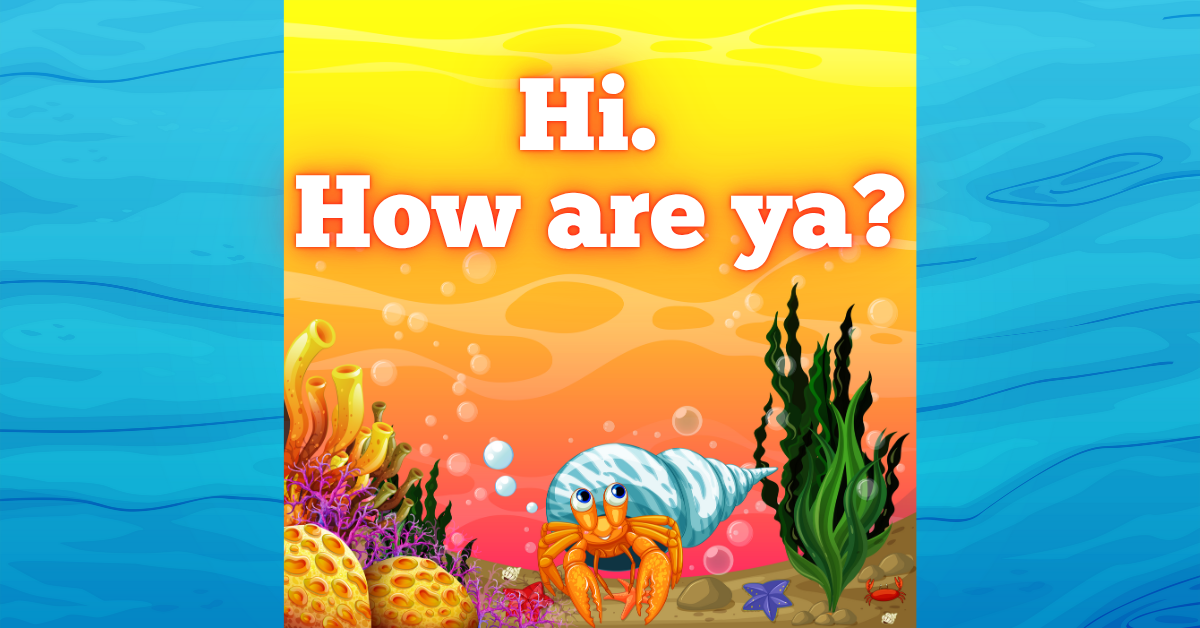
“Hi. How are ya? Hi. How are ya?”
He’s polite. Predictable. Completely unremarkable.
And in the process, he becomes almost invisible—to his friends and even to himself.
It’s funny, but it’s also uncomfortably familiar.
Because sometimes, without realizing it, we do the same.
We settle into loops, routines, and belief systems that keep us “safe” but stuck. We tone ourselves down to blend in. We avoid newness in favor of predictability. We forget what it feels like to be curious, inspired, or even a little bit weird.
But here’s the good news:
? The Science of Becoming Un-Stuck
You’re not broken. You’re not lazy. You’re not too late.
You’re likely just… in a rut.
And your brain wants out.
Neuroplasticity—your brain’s built-in adaptability—thrives on new experiences.
When you try something unfamiliar (even small), you forge new neural connections.
This leads to:
- Better memory
- More emotional flexibility
- Increased resilience
- A renewed sense of aliveness
Your brain is built to bend.
Not break, not freeze, not repeat.
? Why “Normal” Isn’t the Goal
In personality psychology, there’s a trait called Openness to Experience. It’s associated with creativity, intellectual curiosity, and a love for new ideas. People high in openness tend to grow faster—not because they have fewer struggles, but because they’re more willing to step outside the familiar.
You don’t need to take up skydiving or move to a different country to change your brain.
Sometimes, growth looks like:
- Cooking something new
- Walking without GPS
- Listening to someone you disagree with (and not spiraling)
- Asking yourself: What else could be true?
Small shifts stretch us in big ways.
? What SpongeBob Forgot (And We Can Remember)
SpongeBob didn’t become better by erasing his personality.
He became less of who he truly was.
The color drained from his world—literally and emotionally.
But once he stopped trying to fit into a version of “normal” that wasn’t his, everything changed.
His laughter came back. His joy returned. And suddenly… life got loud and bright and wonderfully weird again.
And maybe that’s the quiet reminder:
You don’t need to become more “normal.”
You just need to become more you.
? QuietQuest Reflection
Where have I been playing it safe? Where have I started to feel like “NormalBob”?
And what’s one small way I could bend toward something new, surprising, or joyfully unfamiliar—just for me?


YouTube Fab Five: Clifton Chilli Club
Read More >